


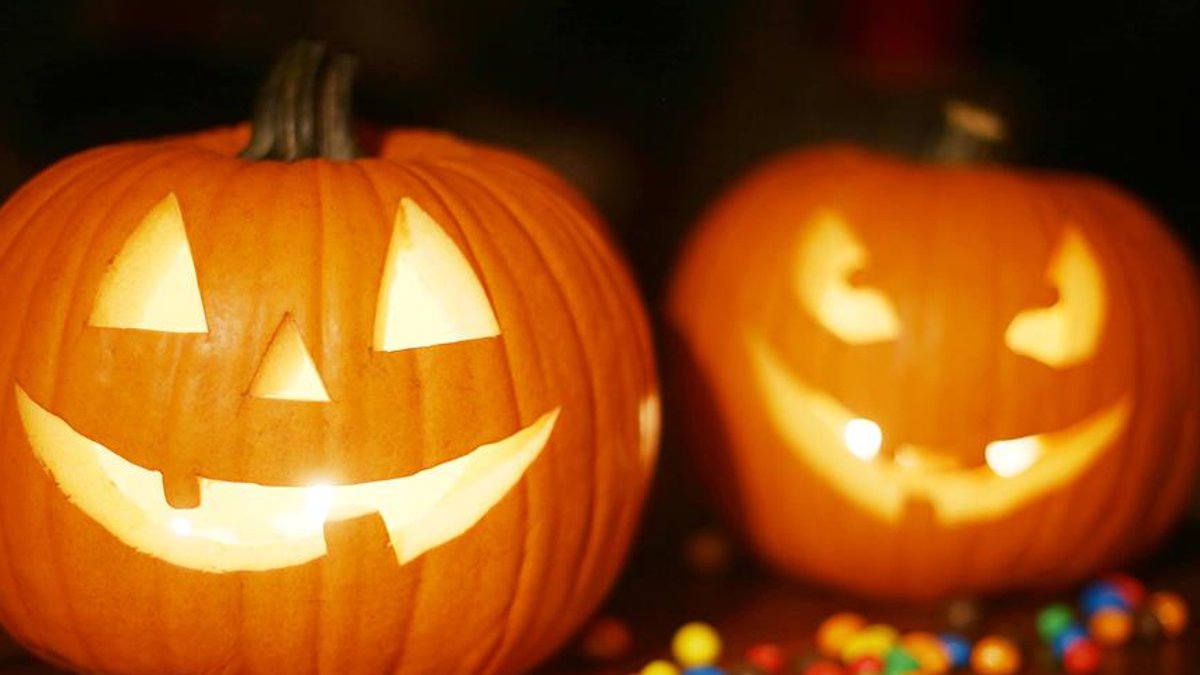
Retailers are eyeing the holiday’s sales lift, with estimates that the event could add more than £260 million in confectionery turnover alone.
Why the season matters for stores
The holiday ranks as the third‑largest seasonal driver after Christmas and Easter, according to market trackers. Participation is rising: YouGov data shows 20 % of households host or attend a party, while 19 % keep treats for trick‑or‑treaters.
Lauren George, external communications manager at Mars Wrigley, warned that the occasion “represents a significant opportunity for retailers to support incremental sales through strategic product selection and early season activation.” She noted that the holiday’s shift toward mainstream celebration expands the potential basket.
Martyn Parkinson, sales director at Booker Group, said the event’s timing this year—falling on a Saturday during October half‑term—creates a “particularly strong occasion” for convenience outlets that can serve both planned purchases and last‑minute grabs.
Confectionery, drinks and the broader mix
Confectionery remains the dominant driver, with NielsenIQ and Kantar data placing the category at £263 million and showing 62 % household participation. Budget‑focused shoppers still view sweets as an affordable treat, according to IRI research.
Related: Nine in Ten Illicit Shops Stay Open
Susan Nash of Mondelez International highlighted the 2026 lineup, which includes Cadbury treat‑size favourites, Oreo Spooky, Maynards Bassetts packs and new Sour Patch Kids Monster Heads. The mix aims to blend trusted names with seasonal twists.
Duncan Tyrrell, head of category at Haribo, said themed products now account for about 30 % of total category sales, and 55 % of shoppers prefer seasonal over everyday lines. That shift opens room for stores to create a distinct in‑store event.
Pack size matters. Clare Newton of Swizzels advised retailers to stock sharing bags, singles and novelty items, noting that “sharing formats are best‑sellers at the holiday.” She cited Mummy Mix and Monster Treats as examples.
George added that large and extra‑large sharing packs “drive both penetration and basket spend,” while fun‑size lines still dominate in the two weeks before 31 October.
Retailers must balance inventory with impulse demand. Over‑stocking can tie up cash, yet under‑stocking risks losing the surge of last‑minute shoppers who often swing by a local store for quick additions. A measured approach to shelf space, combined with clear signage, can help capture both planned and spur‑of‑the‑moment purchases.
Related: Discover the Majestic Allure of the Grand Resort Hurghada
Alcohol sales also see a lift. Sarah Duncan of Heineken UK noted that larger formats—such as 18‑pack bottles—perform well as consumers recreate pub vibes at home. Rob Yeomans of Coca‑Cola Europacific Partners GB reported that some shoppers spend up to £200 on the occasion, covering costumes, décor and drinks.
Beyond sweets, crisps, nuts and soft drinks complement sharing platters, while decorations and party essentials complete a one‑stop solution. Parkinson emphasized that “thinking about the occasion as a whole” helps retailers meet the full range of shopper needs.
Creative in‑store displays can tip the balance toward impulse buying. Yeomans highlighted Fanta’s limited‑edition “Horrorverse” packs and collectible campaign, designed to draw eyes to seasonal shelves. Bell of SHS Drinks echoed the need for “spooky” visual merchandising that aligns with the event’s self‑expression vibe.
Finally, stores must keep HFSS regulations in mind, ensuring that high‑fat, sugar or salt items are not promoted near checkouts or aisles where children shop. Compliance, combined with visible seasonal signage, rounds out a strategy that can turn the holiday into a profitable week for convenience outlets.


