


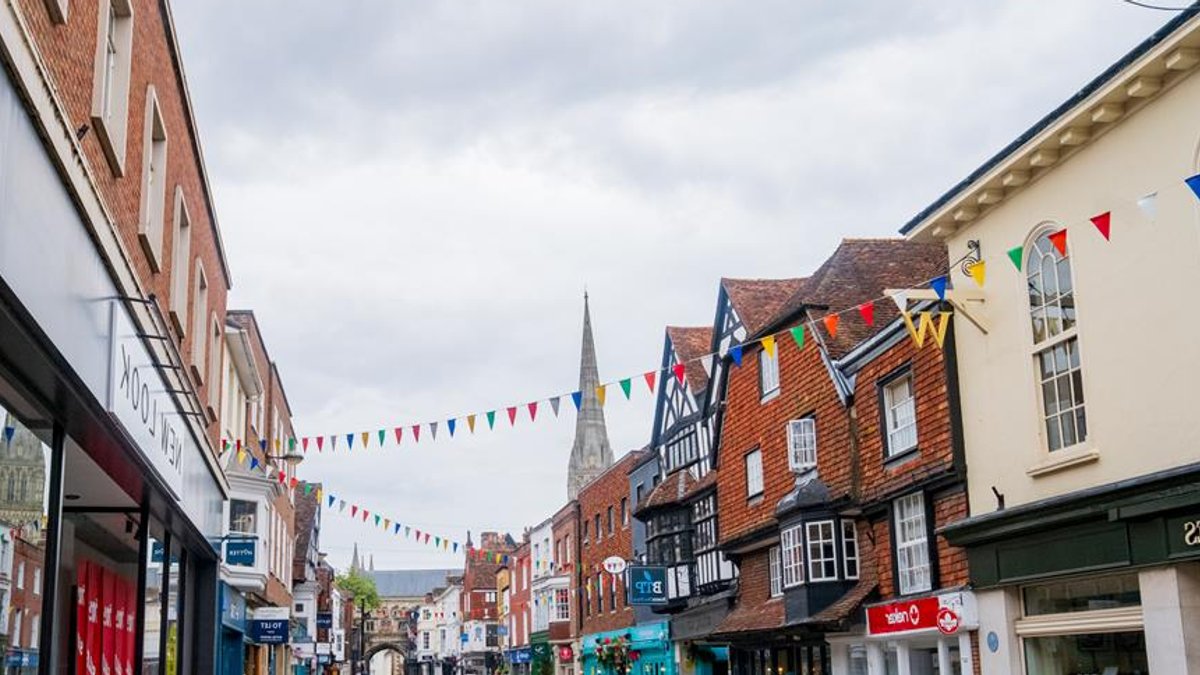
Research released this week by shopper‑marketing agency Savvy paints a surprisingly hopeful picture of the future of UK high streets, especially among the nation’s youngest consumers. The study, conducted with a broad cross‑section of shoppers, reveals that optimism is not confined to niche groups but is a sentiment shared across a sizeable portion of the market.
While a considerable share of all shoppers expressed confidence in the high street’s prospects, the enthusiasm is markedly stronger among the cohort that grew up with smartphones and social media. This younger segment demonstrates a markedly higher level of positivity about the role that town centres will play in their daily lives.
Public appetite for decisive action is evident, with a clear majority indicating that they would welcome increased government involvement to revitalise local shopping districts. This sentiment aligns closely with recent policy announcements aimed at tackling the challenges facing town centres that have suffered from reduced footfall and vacancy.
Just days before the Savvy findings were released, Prime Minister Andy Burnham outlined a package of measures designed to empower local authorities and community groups. The new powers grant councils greater control over planning and development, allowing them to tailor interventions that reflect the unique character and needs of their high streets.
The research highlights a strong desire for a shift away from the dominance of national chains toward a richer mix of independent retailers. Respondents voiced a firm belief that a higher concentration of locally owned businesses would make high streets more inviting and distinctive, countering the perception that many town centres have become overly uniform.
Catherine Shuttleworth, chief executive of Savvy Marketing, showed the paradox of digital fluency and physical‑world interest. She noted that the most connected generation does not shy away from brick‑and‑mortar experiences; instead, they often discover brands online—through platforms such as TikTok—and then seek out the tactile, social aspect of visiting a store in person, especially when shopping forms part of a broader outing with friends.
Related: Spar gives £96k to UK community groups
Beyond pure retail, shoppers are increasingly looking for high streets to serve as hubs for leisure and experiential activities. A substantial proportion of participants agreed that the future vitality of town centres depends on offering a mix of entertainment, dining, wellness, and community‑focused services alongside traditional shopping options.
This broader vision positions the high street as a multifunctional space where commerce intersects with social interaction and personal wellbeing. By integrating cafés, gyms, cultural events, and other experience‑driven venues, town centres can become destinations that attract visitors for a variety of reasons, not solely for purchasing goods.
Realising this vision, however, requires more than enthusiasm. The research points to the necessity of creating an economic environment where independent traders and emerging entrepreneurs can thrive. Investment must be paired with policies that enable small businesses to achieve sustainable profit margins, ensuring that they are not just present but also viable over the long term.
The optimal blend of retail, leisure, and community offerings will inevitably differ from one locale to another. Factors such as demographic composition, existing infrastructure, and local cultural preferences will shape the specific mix that resonates most effectively with residents and visitors alike.
Shuttleworth emphasised that while public support for change is robust, it must be matched by practical steps that address the operational realities of running a business on the high street. When the right combination of supportive investment, diverse retail options, and engaging experiences is achieved, there is a genuine chance to rekindle public interest and encourage repeated visits.
In essence, the findings suggest that the high street’s future lies not in recreating a nostalgic past but in evolving to meet contemporary expectations. By supporting environments where independent shops coexist with lively leisure spaces and community activities, towns can offer compelling reasons for people to spend time and money locally, securing a resilient and dynamic high‑street ecosystem for years to come.


